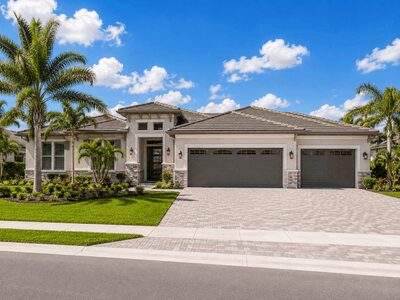
Foreclosure properties occasionally become available throughout Sarasota and Manatee County, although inventory can vary considerably depending on market conditions. Buyers interested in distressed properties may find bank-owned homes, condominiums, townhomes and other real estate offered for sale through the MLS.
It is important to understand that the term foreclosure is often used broadly. The properties buyers typically find through an MLS foreclosure search are frequently Real Estate Owned (REO) properties that have already gone through the foreclosure process and are now owned by a bank, lender or other institution.
Wendy Lynn holds both the SFR® (Short Sales and Foreclosure Resource) certification and the CDPE (Certified Distressed Property Expert) designation and has experience helping buyers and sellers understand distressed-property transactions.
How to Search for Foreclosures
You can search current bank-owned and REO properties throughout Sarasota and Manatee County using our property search:
- Visit our Properties Search page.
- Enter a city, ZIP code, county or neighborhood.
- Under Advanced Search, select General Features.
- Select Special Circumstances.
- Choose Real Estate Owned.
This filter is designed to locate properties identified in the MLS as Real Estate Owned. It does not necessarily include every property that may be in some stage of foreclosure, scheduled for auction or experiencing financial distress.
Manatee County Foreclosures for Sale




Sarasota County Foreclosures for Sale




What Is an REO Property?
REO stands for Real Estate Owned. An REO property is generally a home or other real estate that has become owned by a lender or financial institution after the previous owner lost ownership through the foreclosure process.
Once the lender owns the property, it may eventually be listed for sale with a real estate brokerage and entered into the MLS like other properties.
At that point, buyers are generally negotiating with the institution that owns the property rather than the previous homeowner.
Foreclosure, Pre-Foreclosure and REO Are Not the Same Thing
These terms are often used interchangeably by consumers, but they describe different situations.
Pre-Foreclosure
A homeowner may be experiencing financial difficulty or facing foreclosure proceedings but still owns the property. The property might be sold traditionally or potentially through a short sale depending on the owner’s circumstances.
Foreclosure
Foreclosure refers to the legal process through which a lender seeks to recover property securing a defaulted loan.
REO or Bank-Owned Property
If ownership ultimately transfers to the lender, the property may become Real Estate Owned and later be offered for sale.
The MLS search on this page is specifically designed to identify listings marked Real Estate Owned.
Foreclosure vs. Short Sale
A foreclosure or REO sale is different from a short sale.
With a short sale, the homeowner still owns the property and is attempting to sell it for an amount that may be insufficient to satisfy the mortgage. The lender or other lienholders generally must approve the transaction.
With an REO property, the lender or institution already owns the real estate and is acting as the seller.
Buyers interested in the other type of distressed transaction can also visit our Short Sale Homes in Sarasota & Manatee County page.
Are Foreclosure Homes Always Bargains?
No. One of the biggest misconceptions about foreclosure properties is that they are automatically priced far below market value.
Banks and asset managers generally evaluate the value of a property before placing it on the market. Depending on the home, location and market conditions, an REO property may be competitively priced but not necessarily deeply discounted.
A buyer should compare:
- Recent comparable sales.
- Current competing listings.
- Property condition.
- Necessary repairs.
- Insurance considerations.
- Renovation costs.
- Location and resale potential.
The important question is not simply whether a home is bank-owned, but whether its price makes sense given its condition and the surrounding market.
Bank-Owned Homes Are Commonly Sold As-Is
REO properties are frequently offered in as-is condition. The institution selling the home may have limited knowledge of its history and may be unwilling to make repairs.
Potential issues can include:
- Deferred maintenance.
- Roof problems.
- Aging HVAC equipment.
- Plumbing problems.
- Electrical issues.
- Damaged or missing appliances.
- Water intrusion.
- Pool or equipment problems.
- Unfinished repairs or renovations.
- Landscaping deterioration.
- Damage that occurred while the property was vacant.
Some bank-owned homes need substantial work, while others may be in relatively good condition. Buyers should evaluate each property individually.
Buyers comfortable taking on renovations may also want to explore our Fixer-Upper Homes in Sarasota & Manatee County page.
Should You Inspect a Foreclosure Property?
Yes. An REO property should be evaluated just as carefully as any other home, and potentially more carefully when there are signs of deferred maintenance or extended vacancy.
Depending on the property, buyers may want appropriate professionals to evaluate:
- Roof.
- HVAC system.
- Electrical system.
- Plumbing.
- Water heater.
- Windows and doors.
- Structural components.
- Pool and pool equipment.
- Termites or other pests.
- Well and septic systems when applicable.
- Possible water intrusion or mold concerns.
The bank’s ownership of the property does not replace the buyer’s need for inspections and due diligence.
What If the Utilities Are Turned Off?
Vacant or bank-owned properties may sometimes have utilities disconnected.
This can complicate inspections because systems such as plumbing, electrical service, HVAC equipment and appliances may not be fully testable unless utilities are operating.
Buyers should determine whether utilities can be activated for inspections and what procedures the seller requires.
If portions of the property cannot be inspected, buyers should understand the additional uncertainty before proceeding.
Can You Finance a Foreclosure?
Many REO properties can be purchased with traditional financing, but the condition of the home can affect which loan programs are practical.
A property with significant defects may have difficulty meeting certain lender or appraisal requirements.
Possible financing considerations can include:
- Conventional financing.
- Government-backed loan requirements.
- Property-condition standards.
- Appraisal issues.
- Renovation financing.
- Cash purchases.
Buyers should speak with their lender early, particularly when the property needs significant repairs.
Cash Does Not Automatically Mean You Get a Huge Discount
A cash offer can eliminate financing-related uncertainty, but that does not necessarily mean a bank will accept a dramatically lower price.
The seller may compare price, financing, contingencies, closing timeline and overall likelihood of closing when evaluating offers.
A strong offer should be based on the property’s market value and condition rather than the assumption that bank ownership means any low offer will be accepted.
Can You Negotiate With the Bank?
Yes, but negotiating with an institutional seller can feel different from negotiating with an individual homeowner.
A bank or asset manager may have established procedures for:
- Submitting offers.
- Counteroffers.
- Proof of funds.
- Preapproval documentation.
- Earnest money deposits.
- Inspection periods.
- Closing timelines.
- Required addenda.
The institution may also have less emotional attachment to the home but more formal procedures that must be followed.
Multiple Offers on Foreclosure Properties
A well-priced REO property can attract multiple buyers, particularly if inventory is limited.
When multiple offers are received, the seller may request buyers to submit their highest and best terms.
Price is important, but the seller may also evaluate financing, contingencies, closing date and the perceived strength of each transaction.
Bank Addenda and Additional Paperwork
Institutional sellers may require their own contracts, addenda or disclosures in addition to the normal documents used in a Florida real estate transaction.
These documents can address matters such as:
- Property condition.
- As-is sale terms.
- Inspection deadlines.
- Closing requirements.
- Seller representations.
- Buyer responsibilities.
Buyers should read and understand the documents associated with the specific transaction.
Title and Liens
A foreclosure does not mean buyers should skip normal title work.
The closing and title process should still confirm that ownership can be transferred appropriately and address recorded matters affecting the property.
Buyers should rely on the appropriate title, closing and legal professionals for questions involving title or legal issues related to a particular property.
Foreclosure Condos and HOAs
Buying an REO property inside a condominium or homeowners association requires the same community due diligence as any other purchase.
Buyers should review applicable information regarding:
- Current association fees.
- Special assessments.
- Reserve funding when applicable.
- Rules and restrictions.
- Rental restrictions.
- Pet restrictions.
- Community maintenance.
- Insurance considerations.
A low purchase price can quickly become less attractive if the community has significant assessments or other financial concerns.
Foreclosure Pool Homes
A bank-owned home with a swimming pool deserves additional attention, especially if the property has been vacant for an extended period.
Buyers should evaluate the pool surface, pump, filter, heater, plumbing, screen enclosure and overall condition of the outdoor living area.
Buyers interested specifically in properties with swimming pools can also explore our Pool Homes in Sarasota & Manatee County page.
Insurance Considerations
Insurance should be investigated early when considering any Florida property, particularly an older home or one with deferred maintenance.
Issues involving the roof, electrical system, plumbing, windows, property condition or previous damage can potentially affect insurability or premiums.
A lower purchase price does not necessarily offset a property that will be difficult or expensive to insure, so buyers should understand insurance options before the inspection and financing periods expire.
What About Foreclosure Auctions?
Foreclosure auctions are different from purchasing a bank-owned property through the MLS.
Auction purchases can involve different procedures, deposit requirements, title considerations, inspection limitations and other risks.
This page and the property search above are focused primarily on REO properties being offered for sale through the MLS, not courthouse or other foreclosure-auction purchases.
Anyone considering an auction purchase should understand the specific process and obtain appropriate professional guidance before participating.
Buying an Occupied vs. Vacant REO Property
Many bank-owned homes offered through the MLS are vacant, but buyers should never assume a property’s occupancy status.
Access, inspections, possession and other considerations can be different when a property is occupied.
The specific listing information and transaction documents should be reviewed carefully.
How Long Does Buying a Foreclosure Take?
An MLS-listed REO purchase can sometimes proceed on a timeline similar to a traditional sale, but institutional procedures can affect response and closing times.
This is very different from a short sale, where lender approval of the seller’s transaction can potentially add substantial time.
Every property and institutional seller is different, so buyers should evaluate the timeline for the specific transaction.
Experience With Foreclosures and Distressed Properties
Distressed-property transactions can involve issues that buyers may not encounter in a conventional resale purchase.
Wendy Lynn holds the SFR® (Short Sales and Foreclosure Resource) certification and the CDPE (Certified Distressed Property Expert) designation. These credentials reflect specialized education involving foreclosures, short sales and other distressed-property transactions.
That experience can help buyers understand the differences between an REO purchase and a traditional home sale, identify questions that need to be investigated and evaluate whether a particular distressed property actually represents a good opportunity.
Questions to Ask Before Buying a Foreclosure
- Is the property currently bank-owned or REO?
- How long has the property been vacant?
- Are all utilities operating?
- Can the property be fully inspected?
- What repairs appear necessary?
- Will the seller make any repairs?
- Will the condition work with my financing?
- What is the condition of the roof, HVAC, plumbing and electrical systems?
- Are there HOA or condominium assessments?
- Are there seller-specific addenda or procedures?
- Does the property appear insurable?
- How does the price compare with similar non-distressed homes?
- What renovation costs should I anticipate?
- Does the property still represent good value after repairs?
Frequently Asked Questions About Foreclosures
What is an REO property?
REO stands for Real Estate Owned. It generally refers to a property that has become owned by a lender or financial institution after the previous owner lost ownership through the foreclosure process.
Is an REO property the same as a foreclosure?
The terms are often used interchangeably by buyers, but REO generally describes the stage after the lender has acquired ownership. The MLS foreclosure search on this page looks for properties identified as Real Estate Owned.
Are foreclosure homes always cheaper?
No. Banks generally evaluate market value before listing REO properties. Buyers should compare the asking price with comparable sales, property condition and anticipated repair expenses.
Can I inspect a bank-owned home?
Buyers should conduct appropriate inspections whenever permitted by the transaction. Because many REO homes are sold as-is and may have been vacant, understanding the condition of the property is especially important.
Can I finance a foreclosure?
Many REO properties can be financed, but the home’s condition must meet the requirements of the buyer’s lender and loan program. Significant repairs can sometimes limit financing options.
Will the bank repair a foreclosure property?
Bank-owned homes are frequently sold as-is, and the seller may not agree to make repairs. The specific terms vary by property and institutional seller.
Can I make a low offer on a foreclosure?
A buyer can submit an offer, but bank ownership does not automatically mean the seller will accept a substantial discount. The institution may rely on market valuations and comparable sales when evaluating the offer.
Is buying a foreclosure the same as buying at auction?
No. Purchasing an MLS-listed REO property is different from buying at a foreclosure auction. Auction purchases can involve different procedures, inspection limitations, title considerations and risks.
Are foreclosures common in Sarasota and Manatee County?
Foreclosure and REO inventory varies with market and economic conditions and may be limited at times. Buyers can use our property search to see currently available Real Estate Owned listings in Sarasota and Manatee County.
Considering a Foreclosure in Sarasota or Manatee County?
A bank-owned property can sometimes present an opportunity, but the word foreclosure alone does not make a home a bargain. Price, condition, repairs, financing, insurance and comparable sales all need to be considered before deciding whether the property makes financial sense.
The Wendy Lynn Group can help buyers identify current foreclosure and REO listings throughout Sarasota and Manatee County, evaluate the property and understand how purchasing a bank-owned home differs from a traditional resale.