Energy efficiency is an important consideration for Florida home buyers, where air conditioning can operate for much of the year and heat, humidity and intense sunshine all affect how a home performs. Throughout Sarasota and Manatee County, buyers can find homes with energy-efficient HVAC systems, improved insulation, high-performance windows, efficient water heaters, solar systems, energy-saving appliances and other features designed to reduce energy use and improve indoor comfort.
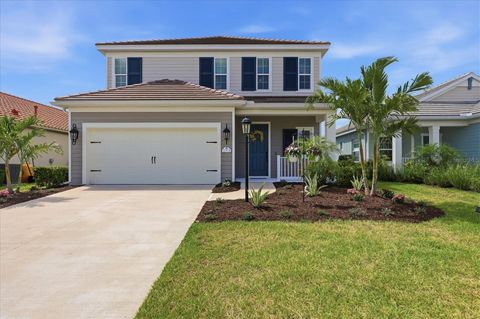
Energy-efficient features can be found in both newer and older homes. New construction homes often have an advantage because they are built to the building and energy-code requirements in effect when permitted and typically incorporate newer construction materials and mechanical systems. Older homes can also become significantly more efficient when major components such as windows, roofing, insulation, HVAC equipment and appliances are upgraded.
The important thing is to look beyond a single feature. A newer air conditioner or a few ENERGY STAR appliances do not necessarily make an entire home energy efficient. The best-performing homes combine efficient equipment with a building envelope designed to control heat, air leakage and moisture.
How to Search for Energy-Efficient Homes
You can search for energy-efficient homes, condominiums and townhouses throughout Sarasota and Manatee County by city, ZIP code, county or neighborhood:
- Visit the Properties Search page.
- Enter a city, ZIP code, county or neighborhood in the location field.
- Select Price if you would like to narrow the search by budget.
- Select For Sale / All Types.
- Choose the property type, such as Single Family Residence, Condominium or Townhouse.
- Under Advanced Search, select General Features.
- Select Green Energy Efficient.
- Choose the features you’re interested in, such as HVAC, water heater, roof, windows, appliances or construction.
Energy-efficiency information in the MLS is based on the features reported for each property. Buyers should review the individual listing and available documentation to verify specific equipment, upgrades or certifications.
Energy-Efficient Homes for Sale in Sarasota County




Energy-Efficient Homes for Sale in Manatee County





What Makes a Florida Home Energy Efficient?
Energy efficiency is the result of multiple systems working together. In Florida, the goal is not only to keep cooled air inside the home but also to reduce the amount of heat and humidity entering from outside.
Features that may contribute to better energy performance include:
- High-efficiency air-conditioning and heat-pump systems.
- Properly sized HVAC equipment.
- Well-sealed and insulated ductwork.
- Improved attic and wall insulation.
- Energy-efficient windows and glass.
- Low-emissivity or low-E window coatings.
- Efficient water heaters.
- ENERGY STAR-rated appliances.
- LED lighting.
- Smart or programmable thermostats.
- Solar-electric systems.
- Reflective or energy-efficient roofing materials.
- Air sealing around doors, windows and penetrations.
- Efficient pool pumps and equipment.
No single feature tells the entire story. The age, construction quality and interaction of the home’s systems are all important.
Why New Construction Can Be More Energy Efficient
One of the advantages of buying a newer home is that the property was built under more recent building and energy standards than homes constructed decades ago.
Depending on the builder, community and price point, new homes may include features such as:
- Newer high-efficiency HVAC systems.
- Improved insulation.
- Better-sealed duct systems.
- High-performance windows, often incorporating low-E glass.
- More efficient water-heating systems.
- LED lighting.
- Energy-efficient appliances.
- Programmable or smart thermostats.
- Improved construction methods intended to reduce unwanted air leakage.
Buyers interested in these features can explore our New Construction Homes in Sarasota & Manatee County page to learn more about builders, communities, design selections, incentives and the process of purchasing a newly built home.
Understanding SEER2 and Air-Conditioning Efficiency
Air conditioning is one of the largest energy users in many Florida homes, making HVAC efficiency especially important.
Modern air-conditioning and heat-pump systems are rated using efficiency standards that include SEER2. In general, a higher efficiency rating indicates that the system can provide the same amount of cooling while using less electricity under standardized testing conditions.
Efficiency rating is only part of the equation. Proper sizing, installation quality, duct condition, insulation and maintenance can also have a major effect on comfort and operating costs.
A very efficient air-conditioning system connected to leaking ductwork or installed in a poorly insulated home may not perform as well as the equipment rating alone might suggest.
Energy-Efficient Windows and Low-E Glass
Windows can have a significant effect on cooling costs and indoor comfort in Florida.
Low-E, or low-emissivity, glass uses a thin coating designed to reduce heat transfer while still allowing natural light into the home. Newer windows may also use insulated glass, improved framing materials and other technologies that help reduce heat gain.
Window performance can be particularly noticeable on sides of a home receiving strong afternoon sun.
Impact-resistant windows are another feature commonly sought by Florida buyers. Impact protection and energy efficiency are separate characteristics, although many modern impact-rated windows also incorporate energy-efficient glass systems.
Insulation and the Florida Attic
Florida attics can become extremely hot, making insulation an important part of the home’s energy performance.
Insulation helps slow heat transfer between the attic and conditioned living space. Older homes may have insulation that has settled, deteriorated or no longer meets the performance levels commonly used in newer construction.
Depending on the home, improvements may include additional attic insulation, air sealing and attention to penetrations where conditioned air can escape.
Ductwork Matters More Than Many Buyers Realize
Even an efficient HVAC system can waste energy if cooled air is escaping through damaged, poorly connected or inadequately sealed ductwork.
Duct systems located in hot attic spaces can be especially important in Florida. Buyers evaluating an older home may want to consider both the age of the HVAC equipment and the condition of the ducts distributing the conditioned air.
Energy-Efficient Water Heating
Water heating is another significant source of household energy use.
Depending on the property, buyers may encounter traditional electric water heaters, gas systems, tankless units, heat-pump water heaters or solar-assisted systems.
Each has different installation costs, operating characteristics and maintenance considerations. The best choice depends on the home and how the household uses hot water.
Solar Panels on Florida Homes
Florida’s abundant sunshine makes solar power an attractive option for some homeowners, but buyers should understand exactly what they are purchasing.
If a home has solar panels, important questions may include:
- Are the solar panels owned or leased?
- Is there an outstanding loan?
- Will any financing obligation transfer with the property?
- How old is the system?
- What warranties remain?
- What has the home’s historical electricity usage been?
- How does the solar installation interact with the roof?
Solar can be a valuable feature, but the financial arrangement behind the system is just as important as the panels themselves.
Energy Efficiency in Older Florida Homes
An older home does not necessarily have to be inefficient.
Many established Sarasota and Manatee County homes have been improved over the years with newer HVAC systems, upgraded windows and doors, added insulation, newer roofing, efficient appliances and solar systems.
When comparing older homes, it can be helpful to determine which major components have already been upgraded and which may need attention in the future.
Buyers interested in older properties may also want to explore our Historic Homes in Sarasota & Manatee County and Fixer-Upper Homes pages.
What Is a HERS Rating?
A Home Energy Rating System, commonly called a HERS rating, is one method used to evaluate the energy performance of a home.
The rating can take into account components such as insulation, windows, air leakage, HVAC equipment, ductwork and water heating. A HERS assessment can provide buyers and homeowners with additional information about how efficiently a home is expected to perform.
Not every property has a HERS rating, so buyers should not assume that the absence of a score means a home is inefficient.
Energy Efficiency and Monthly Ownership Costs
Purchase price is only one part of the cost of owning a home. Electricity, insurance, maintenance, HOA fees, CDD assessments and future replacement of major systems can all affect the household budget.
An energy-efficient home may provide benefits such as:
- Reduced electricity consumption.
- More consistent indoor temperatures.
- Improved humidity control.
- Reduced strain on HVAC equipment.
- Greater comfort near windows and exterior walls.
- Potentially lower long-term operating expenses.
Actual utility costs vary based on the size of the home, thermostat settings, number of occupants, pool equipment, appliances and individual energy-use habits.
Energy Efficiency and Florida Pools
Swimming pools can contribute significantly to household electricity use, particularly when older pumps and equipment are involved.
Modern variable-speed pool pumps can operate more efficiently than many older single-speed systems. Buyers may also encounter energy-efficient pool heaters, heat pumps, automation systems and solar pool-heating equipment.
If you’re comparing Florida pool homes, it can be helpful to ask about both the age and efficiency of the pool equipment.
Energy Efficiency vs. Hurricane Protection
Energy-efficient features and hurricane-protection features often overlap, but they are not the same thing.
For example, modern impact windows may provide both storm protection and improved energy performance, while a non-impact energy-efficient window may provide good insulation without meeting impact-protection requirements.
Buyers should verify both characteristics rather than assuming one automatically provides the other.
Should Energy Efficiency Influence Your Home Search?
For many Florida buyers, the answer is yes — but it should be considered as part of the entire property.
An efficient home in the wrong location or with a floor plan that doesn’t meet your needs isn’t necessarily the right purchase. Likewise, an older home with excellent location and desirable features may still make sense if energy improvements can be completed economically.
The best approach is to compare the home’s purchase price, condition, existing energy features and likely future improvements as part of the overall buying decision.
Frequently Asked Questions About Energy-Efficient Florida Homes
What makes a home energy efficient in Florida?
Energy-efficient Florida homes often combine efficient HVAC equipment, insulation, sealed ductwork, energy-efficient windows, efficient water heating, appliances and construction methods designed to reduce heat gain and air leakage.
Are new construction homes more energy efficient?
New construction frequently incorporates newer building materials, HVAC equipment, insulation and windows and must comply with the building and energy requirements applicable when the home is permitted. However, specific efficiency features vary by builder and home.
What does SEER2 mean?
SEER2 is an efficiency rating used for air-conditioning and heat-pump equipment. Generally, higher-rated equipment uses less electricity to provide a given amount of cooling under standardized test conditions.
Are low-E windows worth having in Florida?
Low-E glass can help reduce heat transfer through windows, which can improve indoor comfort and reduce cooling demand. It can be particularly beneficial in homes receiving substantial direct sunlight.
Do impact windows also save energy?
Many modern impact-resistant windows also offer improved energy performance, but hurricane protection and energy efficiency are separate specifications. Buyers should verify both ratings for a particular window system.
Do solar panels increase a home’s energy efficiency?
Solar panels generate electricity rather than directly improving the efficiency of the structure. They may reduce the amount of electricity purchased from the utility, but buyers should also investigate ownership, financing, age and warranties associated with the system.
Can an older Florida home be energy efficient?
Yes. Older homes can be significantly improved through HVAC replacement, better insulation, upgraded windows and doors, duct improvements, efficient appliances, roofing improvements and other energy-related upgrades.
How can I search for energy-efficient homes in Sarasota and Manatee County?
Use our property search and select Advanced Search, followed by General Features and Green Energy Efficient. Available MLS filters may include HVAC, water heating, roofing, windows, appliances and construction features.
Searching for an Energy-Efficient Home in Sarasota or Manatee County?
Energy efficiency can mean lower operating costs, improved comfort and newer systems, but every property should be evaluated individually.
The Wendy Lynn Group can help you compare energy-efficient homes throughout Sarasota and Manatee County, including new construction and resale properties, and identify the features that may matter most for your lifestyle and long-term ownership costs.