Short sales are much less common in today’s Sarasota and Manatee County real estate market than they were during previous distressed-market cycles, but they still occasionally appear for sale. When they do, buying a short-sale property involves a different process from purchasing a traditional resale home.
A short sale occurs when a property is sold for less than the amount owed on the mortgage and the lender or other lienholders must approve the transaction. Because the seller does not have complete control over the approval process, buyers should be prepared for additional paperwork, uncertainty and potentially longer timelines.
Wendy Lynn holds both the SFR® (Short Sales and Foreclosure Resource) certification and the CDPE (Certified Distressed Property Expert) designation and has experience helping buyers and sellers understand distressed-property transactions.
How to Search for Short Sales
You can search current short-sale listings throughout Sarasota and Manatee County using our property search:
- Visit our Properties Search page.
- Enter a city, ZIP code, county or neighborhood.
- Under Advanced Search, select General Features.
- Select Special Circumstances.
- Choose Short Sale.
Short-sale inventory can be very limited, so there may be periods when few or no properties are available in a particular area.
Manatee County Short Sale Homes for Sale




Sarasota County Short Sale Homes for Sale


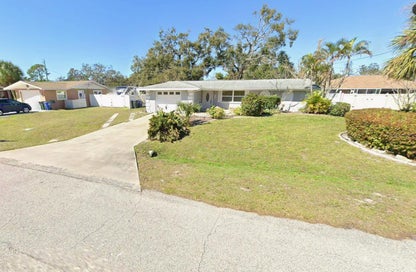


What Is a Short Sale?
A short sale generally occurs when a homeowner needs to sell a property but the expected sale proceeds will not be enough to satisfy the mortgage balance and other amounts that must be paid at closing.
The mortgage lender may agree to accept less than the full amount owed in order for the sale to proceed.
This means there are usually at least three important parties involved:
- The property owner or seller.
- The buyer.
- The seller’s mortgage lender or other lienholders.
The seller can accept a buyer’s offer, but the lender may still need to approve the price and terms before the transaction can close.
A Short Sale Is Not the Same as a Foreclosure
Short sales and foreclosures are both commonly described as distressed-property transactions, but they are not the same.
In a short sale, the current homeowner is still selling the property, subject to approval from the lender or other parties that have an interest in the property.
With a foreclosure, ownership may eventually transfer to the lender or another buyer through the foreclosure process.
Buyers interested in bank-owned and other distressed properties can also visit our Foreclosures in Sarasota & Manatee County page.
Why Does the Lender Have to Approve the Sale?
Because the lender may receive less than the amount owed on the mortgage, it typically has to review the proposed transaction before agreeing to release its lien.
The lender may review information such as:
- The purchase price.
- Recent comparable sales.
- The property’s estimated market value.
- The seller’s financial circumstances.
- Closing costs.
- Other liens against the property.
- Amounts being paid to other parties.
Approval requirements vary depending on the loan, lender and circumstances surrounding the property.
How Long Does a Short Sale Take?
One of the biggest differences between a short sale and a traditional purchase is the potential timeline.
A seller may respond to an offer quickly, but lender approval can take considerably longer. The transaction may involve document reviews, property valuations, negotiations and approvals from more than one lienholder.
Buyers considering a short sale should generally have some flexibility with timing and understand that there may be periods when little visible progress occurs.
Is the Listing Price Already Approved by the Bank?
Not necessarily.
A short-sale property may be listed at a price selected by the seller and listing agent before the lender has approved that amount. In other cases, the lender may have already reviewed a previous offer or valuation and provided guidance regarding an acceptable price.
Buyers should not assume that the advertised price automatically guarantees lender approval.
Are Short Sales Automatically Bargains?
No. A short sale should not automatically be assumed to be priced below market value.
The lender has a financial interest in obtaining an acceptable price and may use appraisals, broker price opinions or other valuation methods when deciding whether to approve an offer.
The more important question is whether the property represents reasonable value compared with its condition, location and comparable sales.
Can You Negotiate the Price of a Short Sale?
A buyer can submit an offer, but negotiations can be more complicated than in a traditional sale because the lender may ultimately determine whether the proposed proceeds are acceptable.
The lender may:
- Approve the offer.
- Reject the offer.
- Counter the price.
- Request changes to closing costs or other terms.
A seller’s willingness to accept a price does not necessarily mean the lender will approve it.
Short Sales Are Often Sold As-Is
Many short-sale properties are offered on an as-is basis. Sellers experiencing financial difficulty may have limited ability or willingness to make repairs before closing.
This makes inspections particularly important.
Depending on the property, buyers may want to evaluate:
- Roof condition.
- HVAC systems.
- Electrical systems.
- Plumbing.
- Windows and doors.
- Water intrusion.
- Pool equipment.
- Appliances.
- Termite or pest issues.
- Deferred maintenance.
Buyers interested in properties that may need renovation can also review our Fixer-Upper Homes in Sarasota & Manatee County page.
Should You Have a Short Sale Inspected?
Yes. The lender’s involvement does not replace the buyer’s normal due diligence.
A lender approving the transaction generally is not making representations about the physical condition of the property. Buyers should still conduct the inspections and investigations appropriate for the home they are purchasing.
Can You Finance a Short-Sale Purchase?
Short-sale properties can sometimes be purchased with financing, but the property must still meet the requirements of the buyer’s lender and loan program.
The condition of the home can become particularly important when financing is involved. Significant defects may affect appraisal or loan requirements depending on the financing program.
Buyers should discuss financing with their lender early so they understand how the loan process will work alongside short-sale approval.
What Happens if the Appraisal Comes in Low?
An appraisal issue can add another layer to an already more complicated transaction.
The buyer’s lender may require the property to appraise at a level that supports the loan, while the seller’s lender may have its own expectations regarding the minimum acceptable sale proceeds.
If those numbers do not align, additional negotiation may be necessary and there is no guarantee that the transaction will proceed.
Multiple Mortgages and Other Liens
A short sale can become more complicated when more than one party has a lien or financial interest in the property.
Examples might include:
- A first mortgage.
- A second mortgage.
- Home equity financing.
- Association liens.
- Judgments or other recorded liens.
Multiple parties may need to agree on how the proceeds will be distributed before the property can close with clear title.
HOA and Condominium Issues
If the property is located within a homeowners association or condominium association, unpaid assessments may also need to be addressed as part of the transaction.
Buyers should still review the normal community information, including:
- Association fees.
- Rules and restrictions.
- Reserve information when applicable.
- Special assessments.
- Rental restrictions.
- Pet restrictions.
A distressed sale does not eliminate the need to evaluate the community itself.
Can Another Buyer Submit an Offer While You Are Waiting?
Depending on the listing and stage of the transaction, additional offers may sometimes be submitted while lender approval is pending.
The handling of backup offers and competing offers can vary, which is another reason buyers should understand the specific circumstances surrounding the property rather than assuming every short sale follows the same process.
What Happens if the Lender Rejects the Short Sale?
A short-sale transaction is not guaranteed to close simply because the buyer and seller have agreed on terms.
If the lender will not approve the transaction on acceptable terms, the sale may fail.
This uncertainty is one reason short-sale buyers should carefully consider their timing and whether they are comfortable waiting for a transaction that may ultimately not receive approval.
Should You Continue Looking at Other Homes?
Because short-sale approval can take time and is not guaranteed, buyers should discuss with their Realtor whether it makes sense to continue monitoring other available properties while waiting.
The answer can depend on the contract, the buyer’s timetable and how strongly the buyer prefers the particular property.
Who Is a Short Sale Best Suited For?
A short sale may be worth considering for a buyer who:
- Has flexibility with the closing timeline.
- Understands that approval is not guaranteed.
- Is comfortable with an as-is purchase.
- Has appropriate financing or funds available.
- Is willing to complete thorough inspections and due diligence.
- Believes the property offers reasonable value based on its condition and location.
Buyers who need to move by a specific date may find a traditional resale property more predictable.
Experience With Short Sales and Distressed Properties
Distressed-property transactions can involve additional parties, paperwork and negotiation compared with a conventional home purchase.
Wendy Lynn holds the SFR® (Short Sales and Foreclosure Resource) certification and the CDPE (Certified Distressed Property Expert) designation. These credentials reflect specialized education involving short sales, foreclosures and distressed-property transactions.
That background can be particularly valuable when helping buyers understand how the process differs from a traditional real estate purchase and what questions should be addressed before moving forward.
Questions to Ask Before Buying a Short Sale
- Has the lender already approved a short sale?
- Has the listing price been reviewed by the lender?
- How many mortgages or liens are involved?
- Has another offer previously been submitted?
- How long could approval take?
- Is the property being sold as-is?
- Can inspections be completed?
- Will my financing work with the property’s condition?
- Are HOA or condominium assessments owed?
- What happens if the lender counters the offer?
- What happens if lender approval is not obtained?
- Does the transaction fit my desired moving timeline?
Frequently Asked Questions About Short Sales
What is a short sale in real estate?
A short sale generally occurs when a property is sold for less than the amount owed on the mortgage and the lender must approve accepting reduced proceeds in order for the transaction to close.
Is a short sale the same as a foreclosure?
No. In a short sale, the homeowner is still selling the property subject to lender approval. A foreclosure involves a different legal process that can eventually result in ownership transferring away from the homeowner.
Are short sales cheaper than regular homes?
Not necessarily. The lender generally evaluates the property’s value and may reject an offer that it considers too low. Buyers should compare the price with the home’s condition and comparable sales.
How long does it take to buy a short sale?
The timeline varies significantly. Lender approval can add considerable time compared with a traditional purchase, particularly when multiple lenders or lienholders are involved.
Can I inspect a short-sale property?
Buyers should generally conduct appropriate inspections and due diligence. Short-sale homes are often sold as-is, making it especially important to understand the property’s condition before completing the purchase.
Can I get a mortgage to buy a short sale?
Financing may be available, but the property must meet the requirements of the buyer’s lender and loan program. Property condition can affect financing eligibility.
Does the bank own a short-sale property?
Generally no. The homeowner still owns the property during a short sale, but the mortgage lender or other lienholders may need to approve the transaction because they are accepting less than the amount owed.
Can the lender reject my short-sale offer?
Yes. The lender may approve, reject or counter an offer based on its evaluation of the property and proposed transaction.
Are short sales common in Sarasota and Manatee County?
Short-sale inventory varies with market and economic conditions and may be very limited at times. Buyers can use our property search to see currently listed short-sale properties in Sarasota and Manatee County.
Considering a Short Sale in Sarasota or Manatee County?
Short sales can create opportunities for some buyers, but they require patience, realistic expectations and careful due diligence. The process can involve the seller, buyer, mortgage lender, other lienholders and additional parties before a transaction is approved.
The Wendy Lynn Group can help buyers identify current short-sale listings in Sarasota and Manatee County, evaluate the property and understand how the process differs from purchasing a traditional resale home.